Backcheck in Canada: What It Is and How Employers Run One
An employers guide to running backchecks in Canada
A backcheck is the common Canadian term for a background check. It typically includes a criminal record check through CPIC, plus optional reference checks, employment and education verification, credit checks, and more.






Backcheck vs. Background Check: Is There a Difference?
For most Canadian employers, "backcheck" and "background check" mean the same thing. The word became generic shorthand the same way "Xerox" came to mean photocopying. A backcheck is modular. Choose the checks that fit the role you are hiring for, so a warehouse position and a senior finance hire do not have to carry the same screening package.
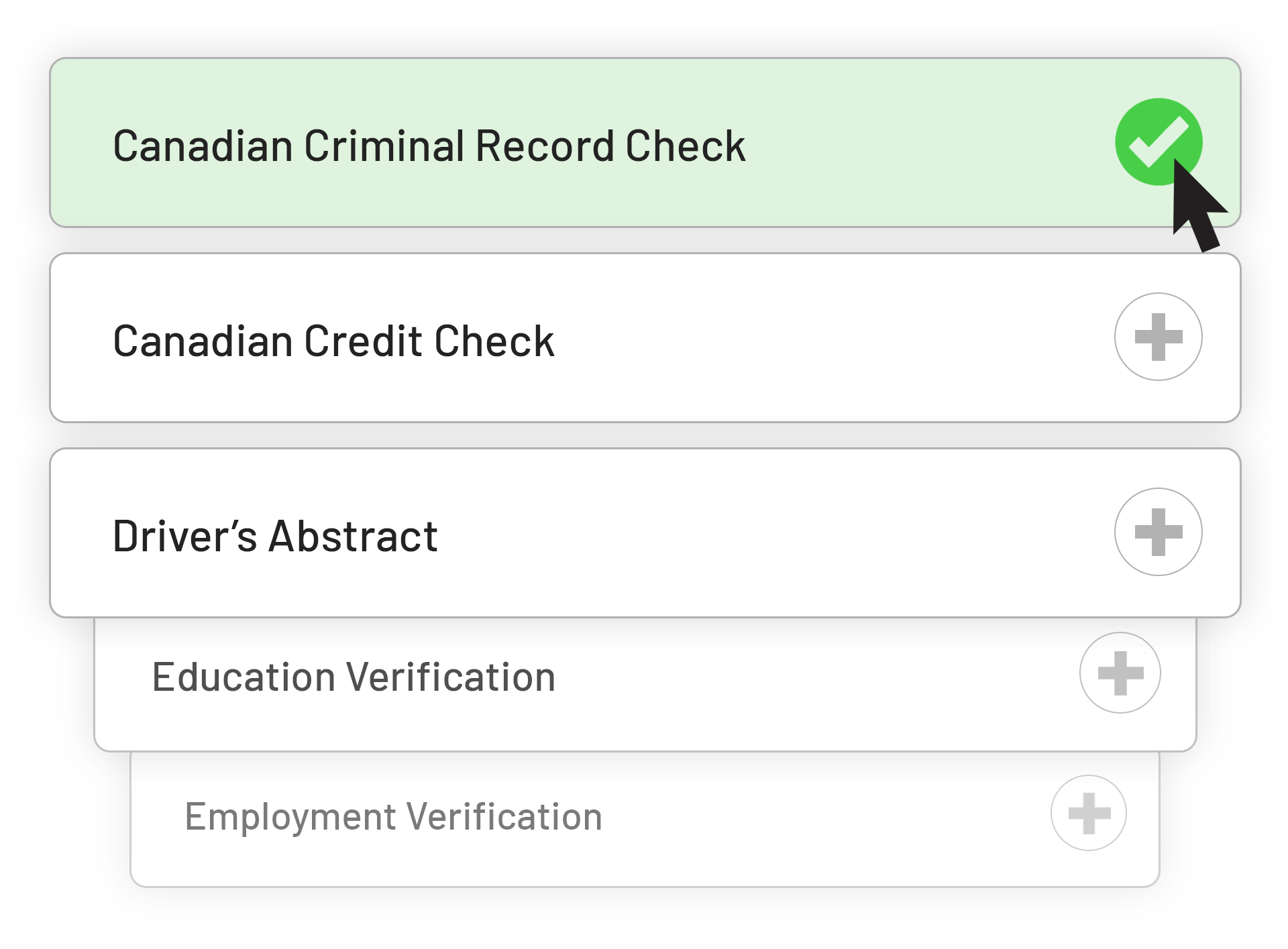
HPI's backcheck lineup covers:
Run against the Canadian Police Information Centre, this is the foundation of most backchecks. It surfaces criminal convictions held in the national database and serves as the baseline screen for the majority of Canadian roles.
A more thorough search for positions of trust and other sensitive roles, going beyond a standard CPIC result. Reach for it when the responsibilities of the job warrant a closer look at a candidate's history.
Structured calls to past supervisors and professional contacts, built on consistent questions rather than casual conversation. They confirm how a candidate actually performed on the job and how they worked alongside a team.
Confirms the job titles, dates, and work history a candidate listed, directly with their former employers. It catches the gaps, overlaps, and embellishments that a resume can quietly paper over.
Confirms the degrees, diplomas, and institutions a candidate claims to have attended. A fast way to make sure the credentials behind a hire are real before you build a role around them.
Confirms that professional designations, certifications, and licences are valid and current. Essential for regulated roles where holding the right ticket is a condition of doing the work.
For roles with financial responsibility, this reviews a candidate's credit history as a measure of financial reliability. Commonly used for positions that handle money, accounts, or sensitive financial data.
For positions that involve driving, this pulls a candidate's official record from the provincial licensing authority. It shows licence status, convictions, and demerit points so you can gauge risk behind the wheel.
Reviews a candidate's public online conduct for reputational red flags such as hate speech, threats, or violent content. It focuses on job-relevant risk while keeping protected personal information out of the hiring decision.
"The criminal record check is the steady core. HPI has run more than 23,000 Canadian criminal record checks in each of the last two years, which gives a sense of how routine this step has become in Canadian hiring. At the other end, social media screening is the fastest-growing service in the mix, climbing from a few requests in 2023 to more than 300 in 2025 as employers pay closer attention to reputational risk."
Tim Hardie – President
How Canadian employers run a backcheck in the eScreener
Running a backcheck through HPI's eScreener platform is straightforward, and most of the work sits with the candidate rather than your team:
- Invite the candidate. You send an invitation from the platform.
- The candidate completes consent and ID verification online. They provide consent and verify their identity through the secure portal, with no paper forms to chase.
- Results are delivered in the platform. Completed reports appear in your eScreener dashboard, ready to review.
Why Canadian ownership matters for screening data
A backcheck means handling sensitive personal information: criminal history, credit, identity, and employment records. Where that data is stored, and which country's privacy laws govern it, is a real consideration for Canadian employers.
HPI has been 100% Canadian-owned since 1987. All candidate data is stored in Canada and the company is PIPEDA compliant. The eScreener platform was developed with RCMP input, and HPI is a founding board member of the Professional Background Screening Association.
Backcheck FAQs
What is a backcheck?
A backcheck is the common Canadian term for an employment background check. It usually starts with a criminal record check through CPIC and can include reference checks, employment and education verification, credit checks, driver abstracts, and social media screening, depending on the role.
Is a backcheck the same as a background check?
Yes. For most Canadian employers the two terms are used interchangeably. "Backcheck" caught on as shorthand because of a screening company of the same name.
What happened to BackCheck Canada?
BackCheck was founded in Vancouver in 1997 and grew into Canada's largest background screening provider. The company has since been acquired and now operates as part of a large US-owned screening corporation. The word "backcheck" stuck as everyday shorthand for an employment background check, even though the original Canadian company is no longer Canadian-owned.
How long does a backcheck take?
Most checks are returned within 15 minutes to 24 hours through HPI's eScreener platform. Turnaround can vary by the type of check and how quickly the candidate completes their consent and identity verification.
What does a backcheck cost?
Pricing depends on which checks you include. HPI has no hidden fees and no minimums, and you only pay for completed reports, so the cost scales with your hiring. Request a demo for pricing matched to your screening needs.